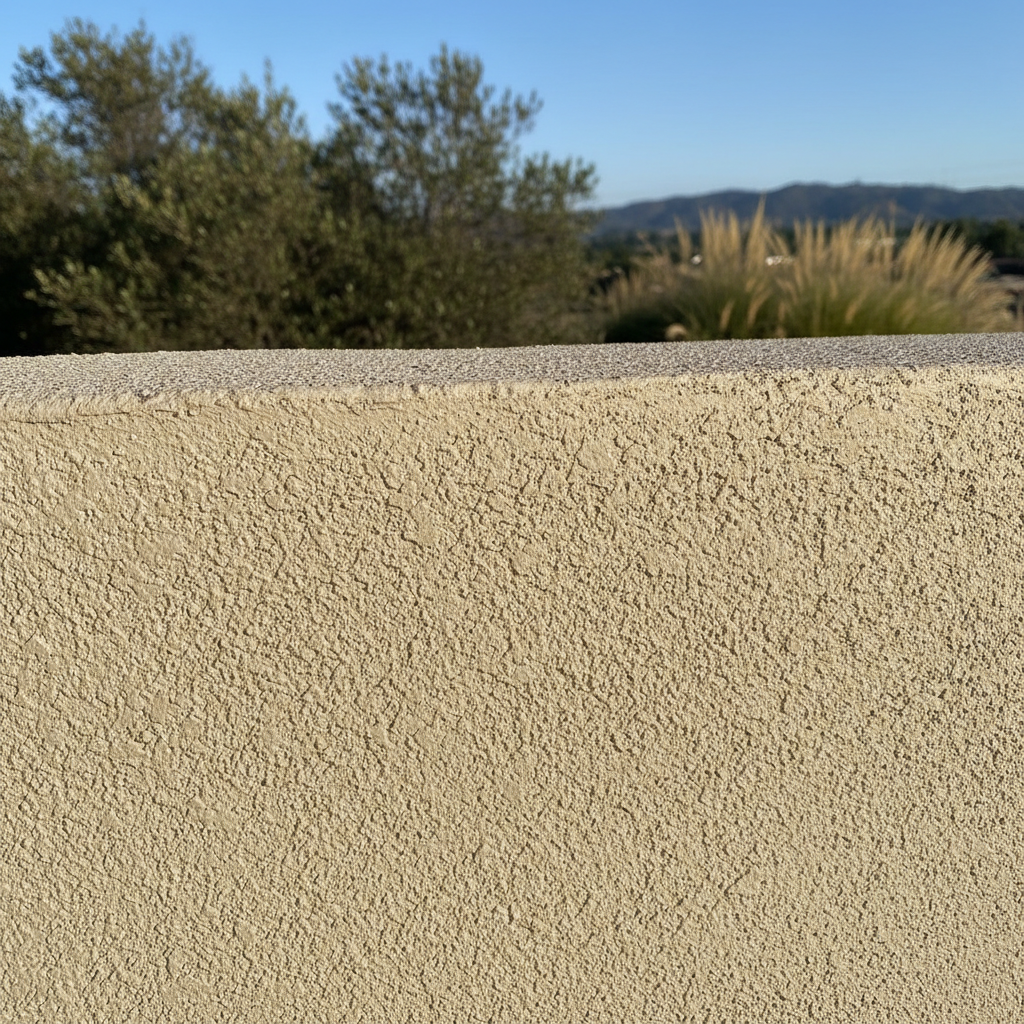
Why Bother Inspecting Your Stucco?
Look, your home's stucco isn't just there to look pretty. It's a really important part of your house's outer shell, the thing that keeps the weather out. Here in Vallejo, with our coastal breezes and sometimes heavy downpours, that protection is even more crucial. A tiny crack or a little bit of water getting in can quickly turn into a huge headache and an expensive repair if you just let it go. You wouldn't ignore a leaky roof, right? Think of your stucco the same way.
Regular checks — even quick ones — can save you a ton of money and stress later on. It's about getting ahead of problems, not just reacting when they blow up. Honestly, I've seen too many people wait until they're dealing with serious water damage or mold before they even think about their stucco. Don't be that homeowner.
Before You Start: What You'll Need
You don't need a fancy toolbox for a basic inspection, but a few things will make it easier and help you do a better job:
- Your eyes: This is your main tool, really. Pay close attention to everything.
- A good flashlight: Great for lighting up shady spots or inside small openings.
- Binoculars: Handy for checking higher areas you can't easily reach.
- A notepad and pen (or your phone): To jot down anything suspicious and exactly where you found it. Pictures are even better, if you can snap them.
- A small, non-marring probe (like a plastic screwdriver handle or a golf tee): For gently tapping and poking around.
- Safety gear: Gloves, safety glasses, and a sturdy ladder if you're going to look at higher spots. Please, don't take unnecessary risks.
And remember, you're not trying to be a certified inspector here. You're just doing a homeowner's visual check-up to spot the obvious stuff.
During the Inspection: What to Look For
Alright, let's get to it. Walk all the way around your house, taking your time. Seriously, don't rush. Break it down into sections if that helps.
Cracks: Not All Cracks Are Equal
You're going to see cracks. It's stucco, after all; it moves a little with the house, with temperature changes. Hairline cracks, especially around windows and doors, are pretty common and usually not a big deal. We call them 'stress cracks' or 'shrinkage cracks.' But here's what you really need to watch out for:
- Spiderweb or map cracking: Lots of fine cracks spread out over a larger area. This might mean there was an issue with the stucco mix or how it was put on.
- Cracks wider than a credit card: These are definitely cause for concern.
- Cracks that run horizontally or diagonally for long distances: Especially if they go through multiple stucco panels. This could point to structural movement or significant problems with what's underneath.
- Cracks that are discolored: Dark streaks or that white powdery stuff (efflorescence) coming out of a crack means water is getting in and pulling minerals out. That's a big red flag.
Gently tap around the cracks with your probe. Does it sound hollow? Does it feel soft? That's a sign the stucco might be separating or that there's moisture behind it.
Stains and Discoloration
Any dark streaks, green patches (algae), or white powdery stuff (efflorescence) are signs of moisture. Pay extra close attention around:
- Windows and doors: These are common spots for water to sneak in if the flashing isn't done right.
- Rooflines and eaves: Where water might be running down the wall.
- Vents, pipes, and electrical penetrations: Anywhere something goes through the stucco.
- The base of the wall: Especially where the stucco meets the foundation or the ground. Here in Vallejo, with some of our older homes built on hillsides, good drainage and keeping the stucco clear of the soil are super important. You really want at least 6 inches of clearance between the bottom of the stucco and the dirt. Any less, and you're just asking for trouble.
If you spot stains, try to figure out where the water's coming from. Is it a leaky gutter? Sprinklers hitting the wall? Or is it coming from *behind* the stucco?
Bulges, Blisters, and Soft Spots
Run your hand over the stucco. Does it feel firm and solid? Or do you notice any areas that bulge out, feel spongy, or sound hollow when you tap them? These can mean the stucco has pulled away from the wall (we call that delamination) or that there's a lot of moisture trapped behind it. This is a serious problem that needs professional help.
Caulking and Sealants
Check all the caulk joints around windows, doors, and other places where things poke through. Is it cracked, missing, or pulling away? Old, dried-out caulk is useless, plain and simple. This is a relatively easy DIY fix, but people often overlook it. Good caulk is your first line of defense against water getting in at these vulnerable spots.
When to Call a Pro (That's Us!)
So, you've done your walk-around. You've got your notes and pictures. What now? If you've found any of the following, it's definitely time to pick up the phone and call someone like Vallejo Stucco & Plastering:
- Widespread cracking that's more than just hairline: Especially if it's wide, long, or discolored.
- Significant staining or efflorescence: If you can't easily find and fix the source (like a sprinkler head), or if it looks like it's coming from behind the stucco.
- Bulging, blistering, or soft/hollow-sounding areas: These are almost always signs of underlying moisture damage or delamination.
- Missing or severely deteriorated stucco: Obvious holes or chunks missing, you know?
- Any signs of mold or mildew on your interior walls: This is a big one. If water is getting through the stucco and into your home, you've got a serious problem that needs immediate attention.
- You just don't feel comfortable: If you're unsure about what you're seeing, or you suspect something's wrong but can't quite pinpoint it, get a professional opinion. It's better to be safe than sorry.
A professional inspection goes way deeper than what you can do yourself. We've got tools like moisture meters that can find hidden water behind the stucco without tearing into your walls. We know what to look for based on local building practices and common issues in our area. We can figure out how bad the damage is and recommend the right next steps, whether it's a simple repair or something more involved.
After Your Inspection: What's Next?
If you found minor issues like failing caulk, you can probably handle that yourself. Just make sure you use the right type of sealant for exterior stucco and follow the directions. For anything else, especially those red flags I mentioned, get a professional stucco contractor out there. Don't let a small problem become a big one. Your home is one of your biggest investments, and keeping its stucco healthy is a huge part of protecting it.