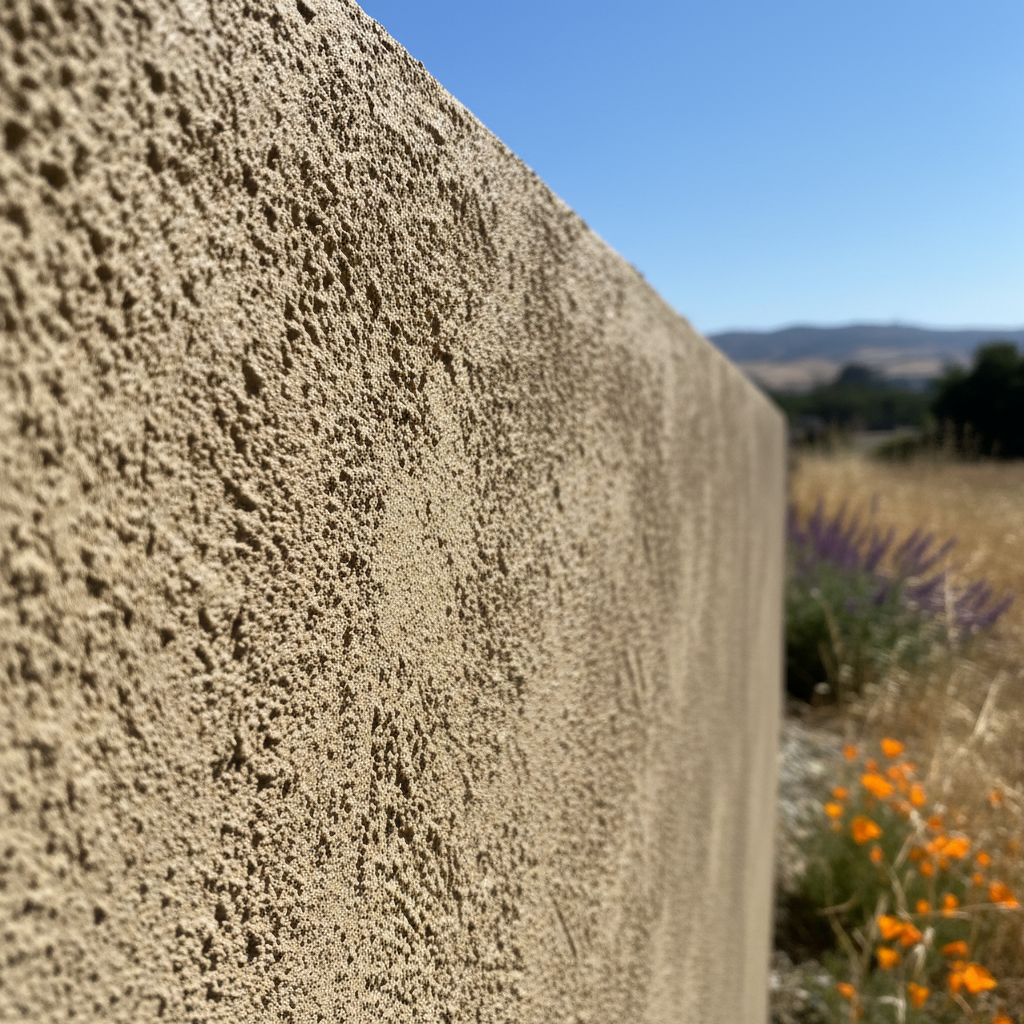
Walking around your house makes you wonder what is really going on beneath the exterior surface. Exterior walls in Vallejo take a beating from the damp bay winds rolling off the Carquinez Strait and the blazing dry summer heat. Stucco is tough, but stucco is not invincible. Knowing how to properly inspect your walls before trouble turns into a major wallet-drainer is just part of being a homeowner here. Homeowners in Vallejo can check their walls themselves, see what happens during a professional evaluation, and handle the aftermath of stucco damage.
Before the Inspection: What You Can Do Yourself
Homeowners do not need a truck full of fancy tools to do a preliminary walk-around of their property. You can grab a cup of coffee this Saturday morning and take a slow stroll around your foundation. Look closely at the walls, especially near the ground where local clay soils tend to hold moisture after a winter storm. You are looking for hairline cracks, powdery white stuff called efflorescence, or any areas where the finish coat feels soft or hollow when you tap it gently with your knuckle. Make a map on a notepad of where you spot trouble.
Clear away any heavy shrubs or ivy touching the side of your house. Plants trap humidity against the stucco, and trapped moisture is the enemy. Check your gutters and downspouts too. If water is spilling over right next to your exterior walls, you have found a primary suspect for future Stucco Cracking and Stucco Staining.
During the Check: When to Bring in the Heavy Artillery
While DIY eyeballs are great for catching surface flaws, knowing what is happening behind the barrier requires specialized equipment. That is where Vallejo Stucco & Plastering comes in. A real professional Stucco Inspection goes way beyond just looking at the finish coat. Vallejo Stucco & Plastering uses non-invasive moisture meters to sniff out hidden dampness inside the wall cavity, and sometimes infrared thermography to map out where water is traveling. If we suspect a failure in the weather-resistive barrier behind the stucco, we might need to drill a tiny test hole to check the lath and framing. The process is surgical, precise, and tells the true story of your home health.
During this phase, keep kids and pets out of the immediate work zone so the technician can focus and move around safely with ladders and gear.
After the Inspection: Making Sense of the Results
Once the Stucco Inspection wraps up, you will get a clear picture of what you are dealing with. Sometimes it is just minor Stucco Maintenance, such as cleaning out a weep screed blocked by garden mulch or sealing up some dynamic cracks with a high-grade elastomeric caulk. Other times, the report might show that water has been getting behind the system for years, rotting the wood framing underneath.
If the damage is localized, a skilled plasterer can cut out the bad section, repair the lath, and patch it so you would never know it was touched. If the issues are widespread, you will need to weigh your options for more extensive Stucco Restoration. Either way, dealing with Stucco Repair now beats waiting until a minor fix turns into a massive structural headache. For homes and businesses in Vallejo, Vallejo Stucco & Plastering provides Stucco Inspection services.